
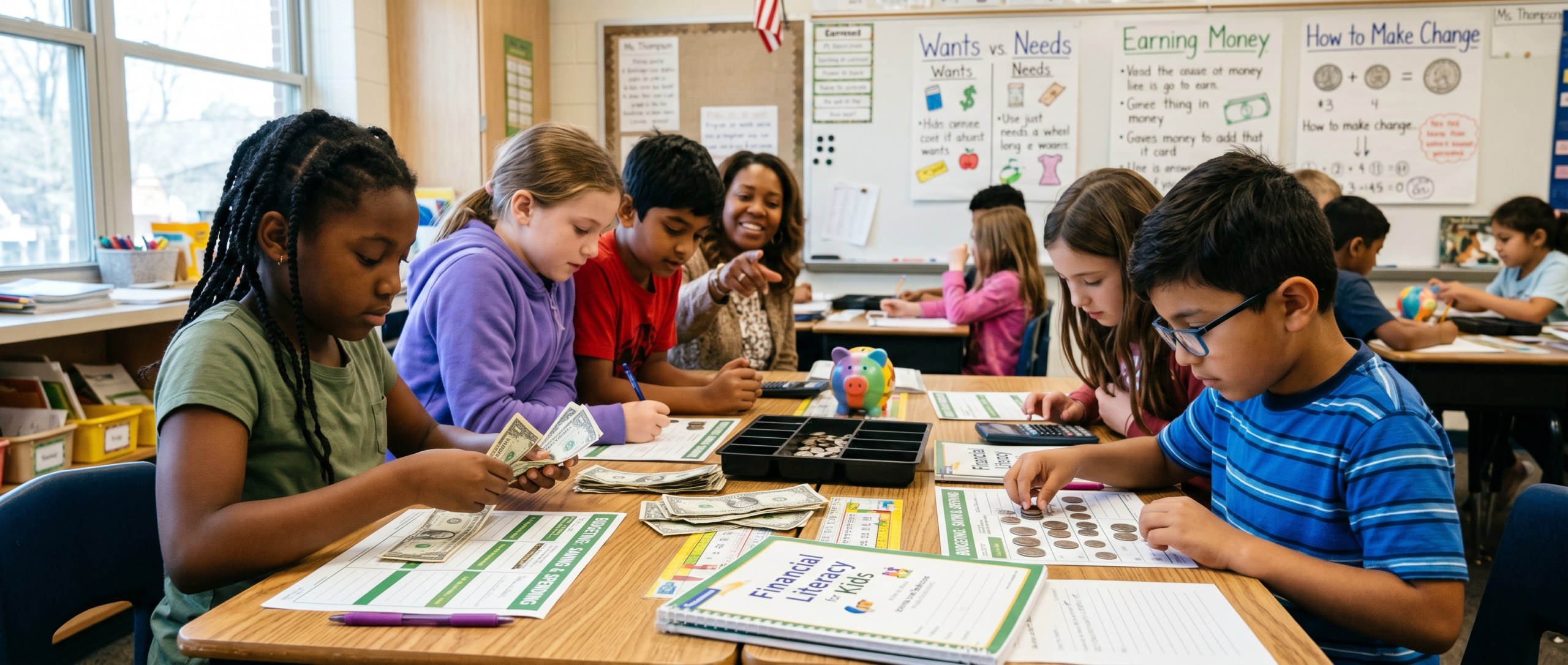
Financial literacy might sound like a big word for kids, but it’s actually all about understanding how money works in everyday life. Starting this education early makes a big difference. The trick is to keep things light and relatable, breaking down complex ideas into bite-sized, simple terms kids can grasp.
Games and simulations are an awesome way to mix fun with learning. Classic board games like Monopoly offer a hands-on approach to real estate and budgeting. But don’t sleep on interactive online games either; they offer a space for virtual financial decision-making that’s both engaging and educational. Classroom simulations, where kids manage “imaginary” budgets, can also reinforce these concepts in a playful setting.
Storytelling is another powerful tool. Think about how captivating stories can draw kids in, helping them understand financial concepts without it feeling like a chore. Delve into narrative-based projects like writing financial diaries or blogs. You could even dive into books with financial themes as a group, discussing lessons learned together.
Real life is a great classroom too. Everyday tasks like budgeting an allowance can be a mini lesson in saving. And shopping trips? They aren’t just about spending; they can spark conversations about making smart choices with money. Planning a family event with pretend costs offers yet another opportunity to teach and learn together.
Tech-savvy approaches, like apps designed for financial learning, help integrate these lessons seamlessly into a kid’s digital life. Following social media influencers or YouTubers who focus on money smarts can also be super beneficial. Don’t forget that podcasts and webinars tailored for younger audiences can offer insights that stick.
Learning is way more fun when it’s a collective experience. Starting financial literacy clubs or workshops in schools creates community and peer learning opportunities. Encourage kids to collaborate on group projects or even come up with business ideas during entrepreneurship challenges. Having local financial experts as mentors can inspire and guide them in practical, real-world encounters.
All these activities add up to an educational experience that’s both fun and impactful. Kids and teens learn far better when they’re actively engaged. This approach to financial literacy will not only help them grasp the essentials now but also build a strong foundation for their financial futures as responsible adults.