
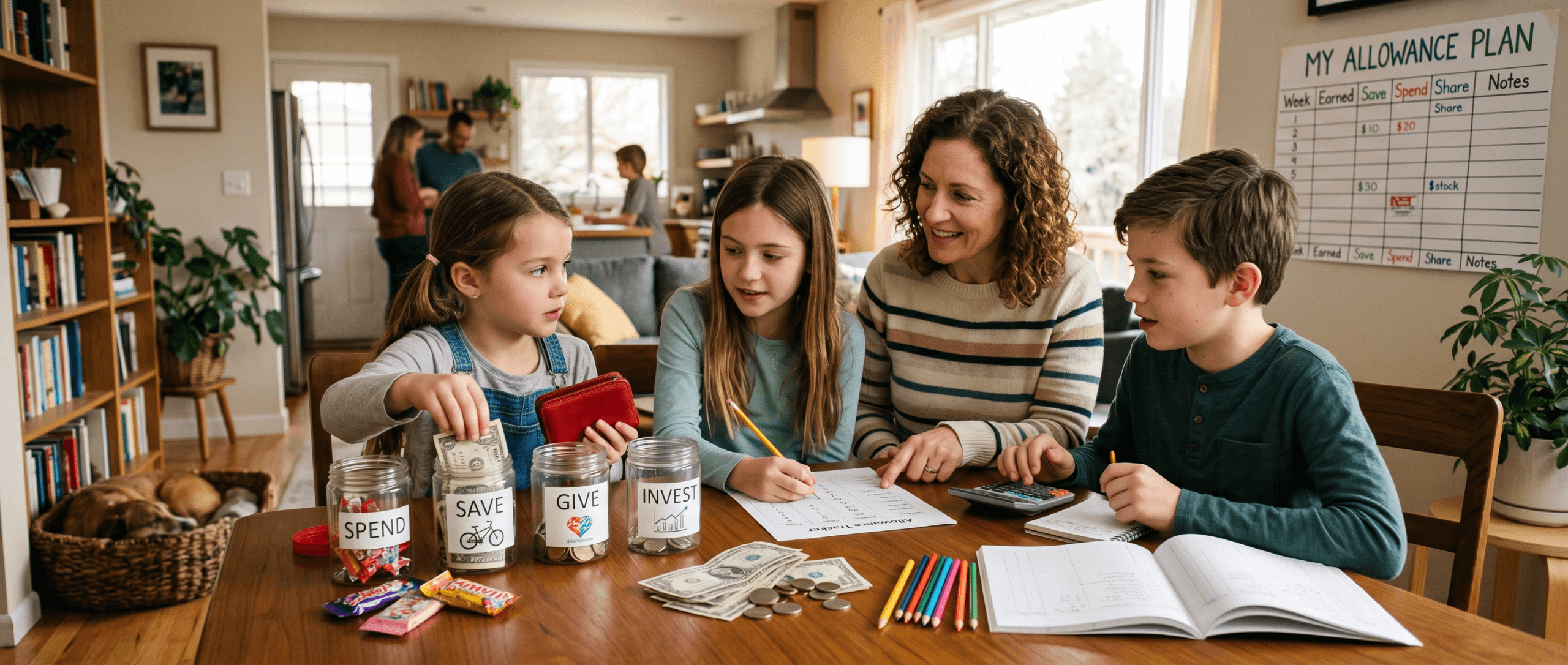
Budgeting isn’t just about cutting back or saving every dime. It’s about knowing where money’s going and making sure it’s aligned with priorities. For kids, it’s about giving them a head start on managing money. It sets up a framework that leads to making informed spending decisions in the future.
Kids who start budgeting early get a feel for handling responsibilities. It’s like a mini financial boot camp that teaches them planning, organization, and decision-making skills. These lessons stick around well into adulthood and make it easier for them to manage more complex financial situations down the line.
Developing a habit of budgeting means kids learn the value of money and time. They begin to understand that when money is spent on unnecessary things, there’s less left for the stuff that really matters. This awareness helps them make wiser choices with spending, saving, and sharing or giving. Not to mention, that it can also reduce impulsive buying and lead to more purposeful spending habits.
When kids grasp the basics of budgeting, they’re more prepared for real-world situations. This knowledge can lead to better financial outcomes as they grow up, making them feel empowered and in control. They’re equipped to handle their allowance wisely and start developing lifelong skills for financial success.
Step Into Budgeting: Teaching the Three Rs – Record, Reflect, and Review
When it comes to managing an allowance, getting the basics down helps. Think of it like this: you can’t know how much you have if you’re not keeping track, right? Recording every dollar helps kids see where their money is going. It’s a basic step that makes budgeting a breeze. By penning it down or using an app, they start to spot trends in their spending, which is super helpful for planning ahead.
Reflecting on spending habits means taking a good look at the types of purchases being made. This isn’t about feeling guilty over buying a toy or snack, but rather understanding why those choices were made. Reflection helps kids think critically about their spending habits—are they putting enough aside for the things that matter most?
Reviewing is all about learning and adjusting. By going over spending records, kids can tweak their budget to better meet their goals. Maybe that means cutting down on candy to save more for a new game. Or perhaps it means deciding to put a bit more in the sharing jar to donate to a cause they’re passionate about. Changes might seem small, but they’re big steps toward smarter budgeting.
Teaching the Three Rs of budgeting—Record, Reflect, and Review—gives kids an opportunity to connect with their financial decisions on a deeper level. It opens up conversations about money and helps establish healthy money habits they’ll carry into adulthood. It’s all about turning mistakes into lessons and small successes into stepping stones.
The Spend-Save-Share Method: A Balanced Approach to Allowance Management
The Spend-Save-Share method is all about balance. It’s a simple strategy that teaches kids to split their allowance into three key areas: spending, saving, and sharing. This way, they’re not just focusing on buying stuff; they’re also thinking about the future and considering how they can help others.
Spending is the fun part—after all, who doesn’t love a little treat now and then? But, it’s also about understanding the impact of spending choices. Encouraging kids to plan for their desired items helps them learn not to blow their budget in one go.
Saving is about setting aside money for future wants or needs. It teaches patience and the value of having reserves for unexpected events or bigger desires. Goals like buying a bike or going on a special trip become achievable lessons in delayed gratification.
Sharing teaches kids empathy and the importance of giving back. Whether it’s donating to a charity or supporting a friend’s bake sale, sharing helps kids understand they have the power to make a difference, no matter how small the contribution.
This method isn’t just a budget plan—it’s a lesson in life skills. By balancing these three elements, kids learn how to manage money wisely and develop a generous, well-rounded perspective on finances.
It’s all about setting clear goals and helping kids understand that managing money means they can enjoy the present, plan for the future, and nurture the community. It’s a triple-win approach that makes every dollar count.
Tracking Needs vs. Wants: Making Informed Spending Choices
Needs and wants—two simple words but knowing the difference between them can make a world of difference when managing money. Helping kids distinguish between what they must have and what they just want to have is key to smart spending.
Needs are those things essential for daily life. Think of clothes, school supplies, and lunch money. These are basic necessities that should be prioritized in any budget.
Wants, on the other hand, are those extras, like the latest toy or a trendy snack that might not be part of the usual grocery list. It’s not about saying no to all wants but understanding when and how they fit into the budget plans.
One handy trick? Encourage kids to ask, ‘Do I need this or do I just want it?’ This simple question can help guide their choices and make them more mindful of their spending.
Sometimes, putting a purchase on pause for a few days helps a child see if they truly want it or if it was just an impulse. This waiting period is crucial to keeping their budget from leaking away on unnecessary items.
Making informed choices about spending is not just a financial lesson but a life skill. By clearly identifying needs and wants, kids learn to weigh options, set priorities, and feel empowered by their decisions.
Rewarding Financial Literacy: A Path to Empowerment and Independence
Mastering these budgeting basics arms kids with more than just awareness—it gives them confidence in their own abilities. Understanding how to manage money effectively is empowering. It delivers a sense of independence that’s invaluable as they grow and face more financial responsibilities.
Giving kids the skills to budget doesn’t mean they’ll always get it perfect, but these gentle nudges in the right direction will help them bounce back from any missteps. Mistakes can be priceless learning opportunities, teaching resilience and encouraging better planning next time around.
As kids grow into their teens and become more financially independent, the skills they’ve learned with their allowance will serve them well. These lessons prepare them for part-time jobs, saving for college, or even understanding how loans work in the future. It’s all about laying a strong foundation for sound financial decisions.
Rewarding their success in budgeting can be motivational. Acknowledging their smart choices—whether it’s through praise, additional pocket money, or setting up a fun goal to save for—reinforces positive behaviors. Celebrations for reaching savings goals or choosing to share more can foster a positive attitude toward money.
Financial literacy isn’t just about numbers or dollars. It’s a powerful tool that prepares young people for the complexities of adult life. Instilling strong financial habits early on gives them a head start on understanding how the financial world works, eventually leading to secure and confident money management.